


Budgeting Certainty: Analyzing the Price Stability and Long-Term Value of Kraft Paper Containers vs. Volatile Plastic
Price Stability and Long-Term Value of Kraft Paper Containers
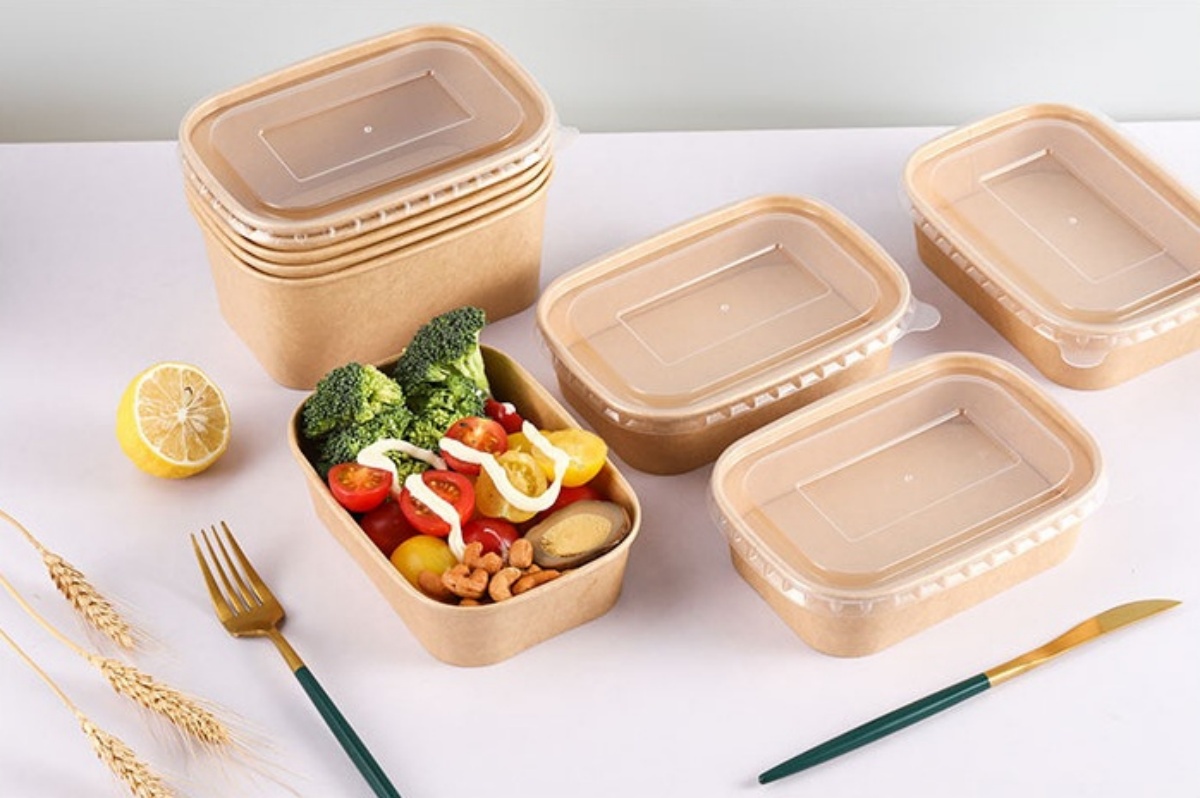
For B2B procurement, stability in unit cost is often as valuable as the cost itself. The price of conventional plastic containers (PP, PS) is inextricably linked to the highly volatile global petrochemical (oil) market. Kraft paper containers, however, offer greater long-term price predictability, making them a strategic investment for budget-conscious enterprises.
1. The Volatility of Plastic Pricing
Conventional plastic prices fluctuate widely due to external, non-food-related factors.
Crude Oil Indexing
The cost of polypropylene (PP) or polystyrene (PS) resin directly tracks the price of crude oil and natural gas, which are subject to geopolitical instability, OPEC decisions, and refinery output. This leads to unpredictable spikes and drops, making long-term fixed-price contracts difficult.
Market Risk
Suppliers using plastic often have to pass these price shocks immediately to the B2B buyer, leading to last-minute budget adjustments.

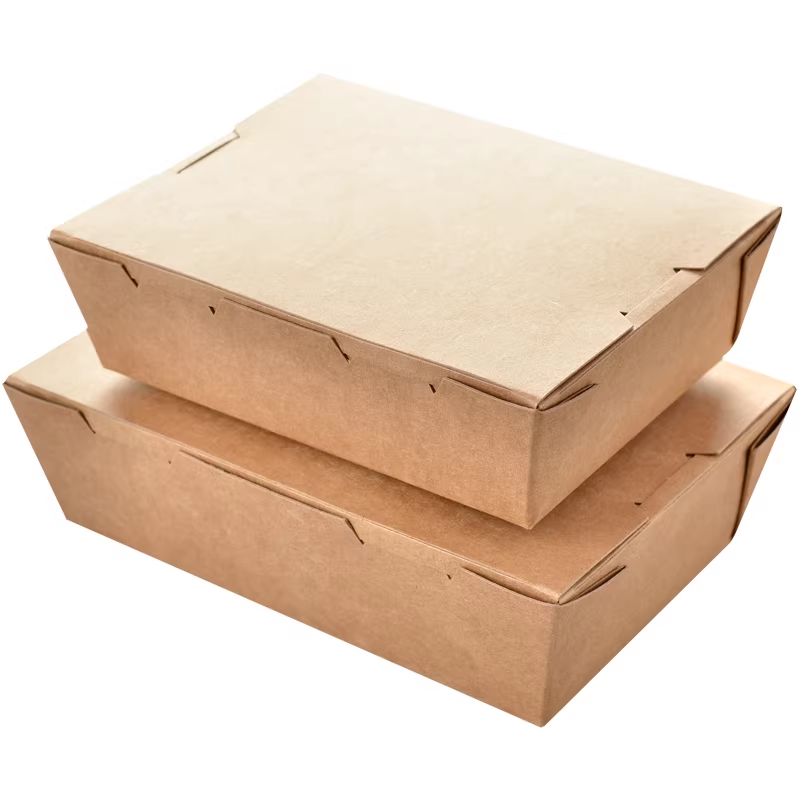
2. The Stability of Kraft Paper Pricing
Kraft paper pricing is tied to a more stable, agriculturally based commodity market.
Fiber-Based Indexing
The price of virgin or recycled wood pulp (the raw material for Kraft paper) is primarily influenced by forestry management costs, energy for pulping, and global timber supply—factors that change much slower than oil prices.
Predictable Fluctuations
While not immune to inflation, the price fluctuations for Kraft paper tend to be gradual and moderate, allowing both suppliers and B2B buyers to forecast costs with higher accuracy.
Data Comparison
Over the last five years, major indices show the volatility index for wood pulp to be 40% lower than that of commodity plastic resins.

3. Long-Term Bulk Procurement Advantage
The inherent stability of Kraft allows for advantageous long-term contract structures.
Fixed-Term Pricing
We can offer B2B clients 12 to 18-month fixed-price contracts for Kraft paperware with greater confidence. This transfers the risk of minor commodity fluctuations from the buyer to the supplier.
Economies of Scale
Bulk procurement of Kraft material allows for better optimization of container shipping (high dimensional efficiency), which further insulates the client from rising freight costs.
Client Benefit
Budget certainty allows the B2B client to set predictable menu prices and operational budgets, protecting profit margins from external market shocks.
| Factor | Plastic Containers (PP/PS) | Kraft Paper Containers |
|---|---|---|
| Primary Cost Driver | Crude oil / Natural gas prices | Wood pulp / Forestry costs |
| Price Volatility | High (geopolitical, refinery dependent) | Low to Moderate (stable supply chains) |
| Long-Term Fixed Contracts | Rare and risky | Common and reliable (12–18 months) |
| Budget Predictability | Low | High |
| Regulatory Cost Pressure | Increasing (plastic taxes, EPR fees) | Lower (exemptions for compostable fiber) |
4. Cost of Compliance (The Hidden Factor)
The long-term cost of plastic is rising due to regulation.
Plastic Taxes
As the EU and other regions introduce taxes on non-recycled plastic, the effective cost of plastic continues to rise. Since Kraft paper (even bio-lined) is fiber-based and certified compostable/recyclable, it largely avoids these taxes, making its long-term TCO more favorable.

In summary, Kraft paper containers offer a compelling value proposition beyond their environmental benefits: superior price stability, predictable long-term costing, and resilience against regulatory fees. For B2B buyers seeking budget certainty, operational reliability, and future-proof procurement, Kraft paper represents a strategically sound choice that mitigates financial risk while supporting sustainability goals.